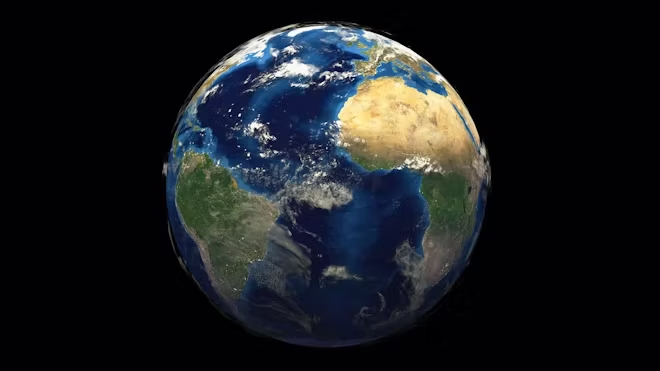
Change for Climate Change
At Change for Climate Change, we are dedicated to the preservation of our one and only home.
With global cooperation and awareness, the negative affects on our Earth can be reversed.
We are dedicated to building a better future for the the future through awareness.
Next cleanup: March 30 2026
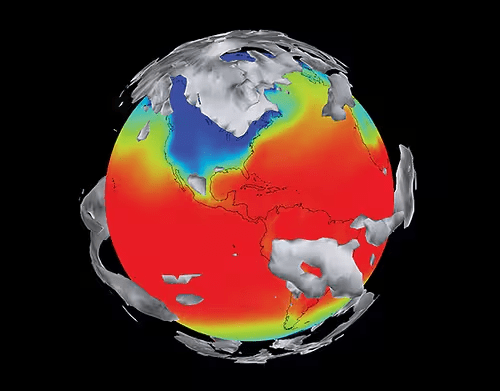
Vote for the next post topic!
If you’d like to submit an idea for the next post YOU want to see on the website, send us your idea! First come first serve, so the sooner you submit the more likely it will come on the site!
If you are selected, we will display the name you submit in the form.
Latest Post:
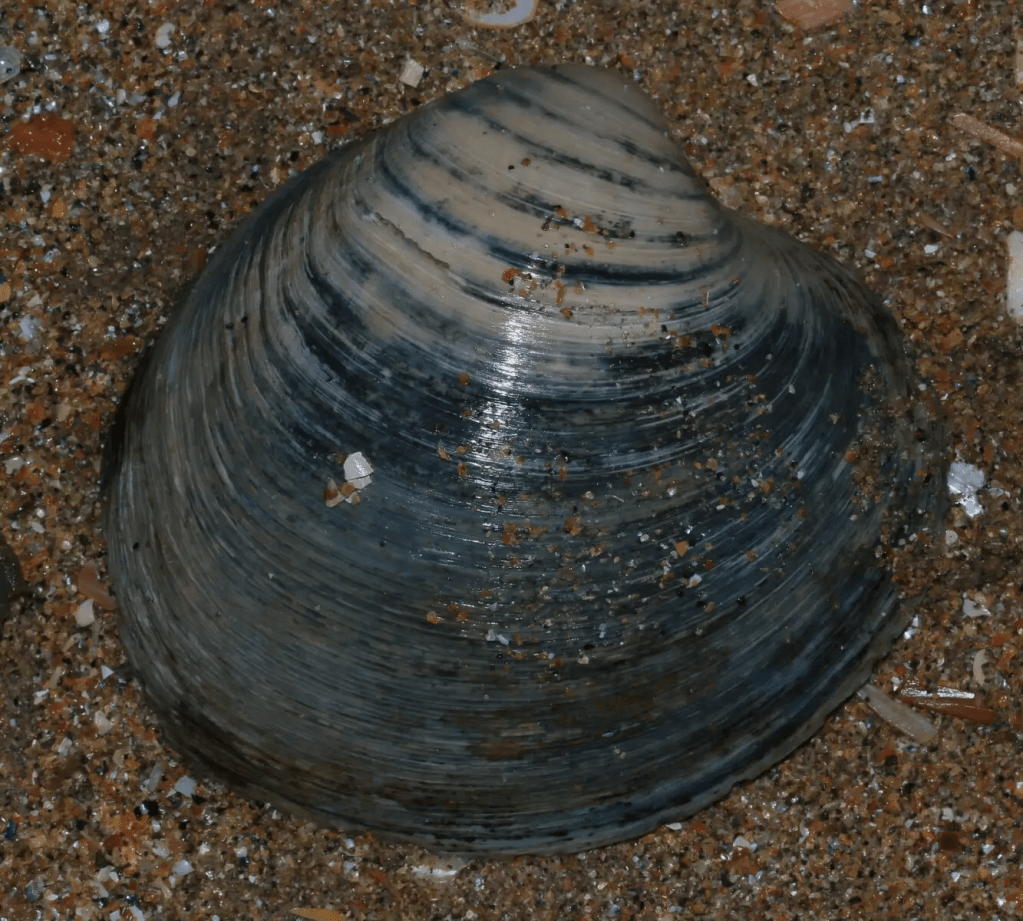
Living History: How Shellfish Are Predicting The Future
Subscribe to our Spam-free, Payment-free newsletter!
Content Update
Check out the following informative video on how researchers can use archives like shells and trees to reconstruct data dating back hundreds of years!


TAKE ACTION TODAY! – Stop Wildlife Deaths!
Every year, millions of birds, turtles, fish, and marine mammals suffer from injuries or die due to discarded fishing line. This thin, invisible, and hazardous plastic is incredibly dangerous. It entangles wings, fins, and necks, cutting through flesh, and sometimes causing slow, painful deaths.
The Advocacy Club, a student-led movement, aims to stop this heartbreaking torture. Scan the QR Code below to sign the petition.
Your signature can save the life of a duck, a dolphin, a sea turtle.
Spend 2 minutes right now, and you will help save the lives of countless animals all over the world.
If you’d prefer to copy and paste a link:

Want to help spread the word? Click here to download posters and get more signatures!
TAKE ACTION TODAY! – No Microplastics!
Learn about how humans are ingesting large quantities of plastics!
Here’s some quick things you can start doing in your home to stop the spread of plastics into your body:
Purchases
Stop purchasing plastic-based products or packaging. Items such as models, toys, non-metal water bottles, and others are not only bad for the environment, but also dangerous to yourself. Other products which come in plastic packaging, or use plastic, should be bought sparingly if at all. Examples include plastic bags, plastic wrap, Ziploc bags, and Styrofoam.
Food Consumption
Avoid using plastic utensils at restaurants. Seafood should be eaten sparingly, and when eaten, should be taken from credible fisheries or restaurants. Avoid taking to-go plastic containers.
Water Consumption
Plastic bottles should be avoided as much as possible. If feasible, avoid drinking water from any source besides your own. Conduct microplastic tests on your tap water; filter the water before consumption.
Decorations & Clothing
Glitter, beads, and cosmetics should be avoided. Synthetic textiles such as polyester, nylon, acrylic, and spandex should be avoided as much as possible.
Respiration
Install plastic filters throughout the house. Add an instrument for monitoring plastic levels in the air. Avoid rooms with lots of plastic.
Reusables
Use reusable items such as (canvas/cloth) bags, (metal) food containers, (metal) water bottles, (reusable) coffe cups, and others. Recycle effectively and efficiently.
 Climate Change